variation

🔬 Research Use Only

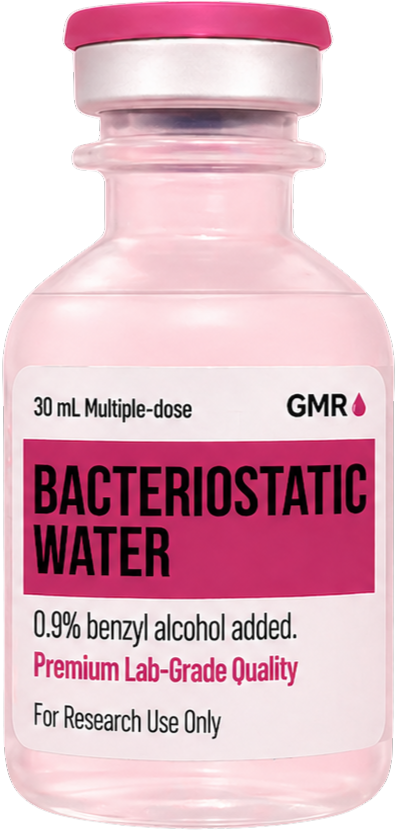
Bacteriostatic water Research Peptide

Growth Research

Bacteriostatic water research peptide supplier providing USP-grade solution for safe reconstitution. Contains 0.9% benzyl alcohol. Ideal for all research studies.

Select Dosage

Bundle & Save

1 bottle

1 bottle

2 bottle

5% OFF
2 bottle

3 bottle

7.5% OFF
3 bottle
Bundle & Save

1 bottle

$22.99

2 bottle

Save 5%

3 bottle

Save 7.5%
$22.99

183 in stock

. ships today if ordered before 3pm ET

per 30ml vial

SSL 256-bit

Secure Checkout

Free shipping

On orders over $200

60-day returns

Money-back guarantee

🚚 Get 2 day shipping when you spend $250 or More

🚚 Free shipping over $200

🔄 60-day money back

🔒 SSL Secure

📦 Discreet packaging

We Accept

variation

🔬 Research Use Only

Bacteriostatic water Research Peptide

Growth Research

Bacteriostatic water research peptide supplier providing USP-grade solution for safe reconstitution. Contains 0.9% benzyl alcohol. Ideal for all research studies.

Select Dosage

Bundle & Save

1 bottle

1 bottle

2 bottle

5% OFF
2 bottle

3 bottle

7.5% OFF
3 bottle
$22.99

🚚 Get 2 day shipping when you spend $250 or More

🚚 Free shipping over $200

🔄 60-day money back

🔒 SSL Secure

📦 Discreet packaging

We Accept

99%+ Purity Guaranteed

Every batch verified by accredited US labs

Shipment Protection

Every order fully covered

60-Day Money Back

No questions asked

0.9%

0.9% Benzyl Alcohol Preservative Concentration

Scientific formulation descriptor

28 days

Observed Multi-Use Handling Window After First Puncture

Frame as handling parameter
USP Grade

USP-Referenced Preparation Standard

Avoid overpromising quality beyond
stated standard.
100%

Intended for Research Reconstitution Protocols

Avoid absolute compatibility claim.

What Is Bacteriostatic Water?

Synthetic laboratory reconstitution solution for peptide research

Bacteriostatic water is a sterile, non-pyrogenic laboratory preparation solution containing 0.9% benzyl alcohol. It is specifically utilized as a medium for the reconstitution of lyophilized research compounds and supports controlled handling protocols in various laboratory peptide signaling studies.

🛡️

Preservative Protection

The 0.9% benzyl alcohol concentration serves as a preservative to provide contamination-control support. This formulation aligns with repeated-access vial management, maintaining an observed multi-use handling window of 28 days for documented research-use protocols.

🧬

Peptide-Safe Formula

Designed as a standardized research-use bacteriostatic water for peptide mixing workflows, this formula supports solution stability. It is optimized for laboratory preparation compatibility with sensitive research compounds without altering receptor pathway research variables.

🏥

Documented Standard

This USP-referenced preparation standard is manufactured under strictly controlled handling conditions. Each batch is provided with documentation to support peptide purity verification and standardized laboratory recordkeeping for professional research environments.

Research Preparation Rationale

Standardized solutions for laboratory protocol consistency

🔬

Proper Reconstitution Support

Researchers utilize a sterile preparation solution to facilitate standardized compound handling. Bacteriostatic water is the primary medium referenced in laboratory protocols for the effective reconstitution of lyophilized research materials.

🦠

Contamination-Control Context

The preservative system acts as a critical component of a contamination-control framework. It supports sterile handling conditions during repeated-access vial management throughout the documented multi-use handling window.

🧪

Workflow Efficiency

The multi-use capability supports protocol continuity across repeated laboratory sessions. Standardizing on a single preparation source helps reduce variability and maintains consistency across multiple reconstitution sequences.

📊

Supports Preparation Consistency

Utilizing a documented formulation standard reference ensures that dilution steps remain uniform, supporting laboratory recordkeeping and the precision required for peptide purity verification workflows.

⚠️

Avoid Uncontrolled Water Sources

The use of tap or distilled water does not align with sterile research preparation standards. Uncontrolled sources may introduce unwanted variability and microbial contaminants that compromise the integrity of the reconstitution workflow.

Laboratory Reconstitution Workflow

Procedural support for controlled research compound preparation

1
📦

Assemble Supplies

Organize the sterile preparation solution, lyophilized research vial, alcohol disinfection pads, and the measurement tools required by the active laboratory protocol.

💡 Utilize calibrated measurement tools for precise concentration targets.
2
🧼

Sanitize Components

Disinfect vial surfaces and the surrounding preparation area to support controlled sterile handling before the reconstitution sequence begins.

⚠️ Maintain a clean preparation environment to ensure solution integrity.
3
💉

Withdraw Solution

Withdraw the required volume of bacteriostatic water according to the target research concentration and documented protocol variables.

💡 Employ steady pressure during withdrawal to minimize air introduction.
4
💧

Introduce to Vial

Transfer the solution slowly along the vial wall to support controlled mixing and minimize unnecessary agitation of the lyophilized material.

⚠️ Avoid vigorous agitation, as mechanical stress may affect research compounds.
5
⏱️

Dissolution Phase

Permit the compound to dissolve under the protocol conditions specified for the material. If required, use a gentle rolling motion to assist mixing.

💡 Verify solution clarity before proceeding with laboratory documentation.
6
❄️

Storage Protocols

After reconstitution, store the vial according to compound-specific handling requirements and record the preparation date for laboratory tracking.

⚠️ Observe the 28-day multi-use handling window for the preparation solution.

Laboratory Specifications

Technical parameters and documentation standards

🧪

Technical Parameters

Standard Volume 10mL / 30mL Preparation
Preservative System 0.9% Benzyl Alcohol
Reference Grade USP (United States Pharmacopeia)
Preparation State Sterile, Non-Pyrogenic
Analyzed pH Range 4.5 – 7.0
Storage Format Multi-Dose Borosilicate Glass
Solution Visuals Clear, Particle-Free
Ambient Storage Controlled Room Temp (15-30°C)

Quality Control Metrics

🏭

cGMP Facility Standards

Manufactured under Current Good Manufacturing Practice regulations

🧪

Pharmacopeia Purity

Adheres to documented USP criteria for laboratory-grade water

🔬

Verification Testing

Individual batches verified for endotoxin and sterility markers

📋

COA Documentation

Certificate of Analysis available for laboratory audit trails

Storage & Handling

Maintaining research compound stability and efficacy

🌡️

Temperature

15-30°C (59-86°F)

Unpunctured vials should be maintained at controlled room temperature. Cold storage is only recommended post-reconstitution for specific research materials.

☀️

Light Exposure

Protect from UV light

Store vials in original secondary packaging or opaque containers. Direct light exposure may catalyze the degradation of preservative components.

📅

Vial Integrity

Observe Expiry Date

Intact vials remain stable until the documented expiration date. Always verify vial vacuum and seal integrity before laboratory use.

🧊

Puncture Life

28-Day Window

The sterility maintenance window begins at first puncture. Document the initial entry date on the vial and discard any remaining volume after 28 days.

⚠️

Procedural Warnings

Do not use if the solution exhibits cloudiness, discoloration, or particulates.
Avoid freezing: Sub-zero temperatures can compromise preservative solubility.
Adhere strictly to the 28-day disposal protocol following the first vial entry.
Ensure all research materials are secured from unauthorized laboratory access.

Safety Guidelines

Critical protocols for laboratory environment maintenance

🧤

Aseptic Technique

Always employ rigorous aseptic techniques when handling bacteriostatic solutions. Ensure a sterile workspace and utilize 70% isopropyl alcohol for surface sanitation.

💉

Instrument Integrity

Utilize single-use sterile needles for every vial entry. Reusing laboratory instruments compromises batch sterility and risks cross-contamination of research materials.

🗑️

Biohazard Disposal

Dispose of all utilized sharps and glass in accordance with OSHA-approved biohazard protocols. Never integrate laboratory waste into standard disposal streams.

📖

Intended Use

Strictly for in-vitro research and laboratory applications. All users must adhere to institutional Biosafety Level (BSL) standards and documented SOPs.

🚫

Contraindications for Use

In environments where sensitivities to Benzyl Alcohol are documented
If solution transparency is compromised by cloudiness or sedimentation
If the secondary or primary tamper-evident seals show signs of interference
When the verified lot expiration date has been exceeded
After the 28-day post-puncture stability window has closed
As a replacement for preservative-free sterile water in sensitive assays

❓ Common Questions

Frequently Asked
Questions

Bacteriostatic water contains 0.9% benzyl alcohol as a preservative and is commonly referenced in laboratory settings for repeated-access reconstitution workflows. Sterile water without preservative is generally discussed in single-use preparation contexts. The revised answer should stay focused on laboratory protocol differences rather than consumer administration advice.

📚 Research Bibliography

Sources and References

The reference materials listed below are provided for background review of sterile research preparation standards, preservative-system context, reconstitution handling practices, and formulation specifications relevant to laboratory workflows. Inclusion of these sources does not imply therapeutic use or regulatory endorsement for consumer administration

United States Pharmacopeia

Bacteriostatic Water for Injection, USP

View Source
2024
International Journal of Pharmaceutics

Benzyl alcohol as a preservative in pharmaceutical formulations: efficacy and safety review

2020
Journal of Pharmaceutical Sciences

Best practices for reconstitution and storage of lyophilized peptide research compounds

2022

⚠️ Important Research Notice

This product is sold exclusively for in vitro research and educational purposes. It is not intended for human or veterinary use, and is not intended to diagnose, treat, cure, or prevent any medical condition or disease. All clinical trial data, research findings, and scientific information presented on this page are sourced from peer-reviewed academic publications. This content is provided for educational reference only and does not constitute medical advice, product claims, or treatment recommendations. By purchasing this product, the buyer confirms they are a qualified researcher and will use it strictly in accordance with all applicable federal, state, and local laws and regulations. GMR Peptides assumes no liability for any misuse of this product outside of a research context.

Website Exclusive

Welcome, researcher

Enter your email to unlock 20% off your first research supply order.

Please enter a valid email address.
No spam, unsubscribe anytime.
Your 20% discount is unlocked
PEP20

Shop Now With 20% Off
Apply as Affiliate